If you’re new to Pilates, you might wonder about the differences between mat vs reformer Pilates. Often, the reformer comes to mind when people think of Pilates, but the mat is the original form. While both methods stem from Joseph Pilates’ original exercise system, they offer distinct experiences and benefits. Let’s dive into what makes each practice unique and help you decide which might fit your fitness journey better.
Table of Contents
A Brief History of Pilates
Before we explore the differences between mat vs reformer Pilates, let’s understand where Pilates came from. Joseph Pilates, born in Germany in 1883, developed his method (originally called “Contrology”) through his journey of self-improvement. As a child suffering from various ailments, he dedicated himself to becoming stronger through exercise. During World War I, as a prisoner of war, he began developing his method by working with injured soldiers, using hospital bed springs to create resistance training equipment – the predecessor to today’s Reformer.
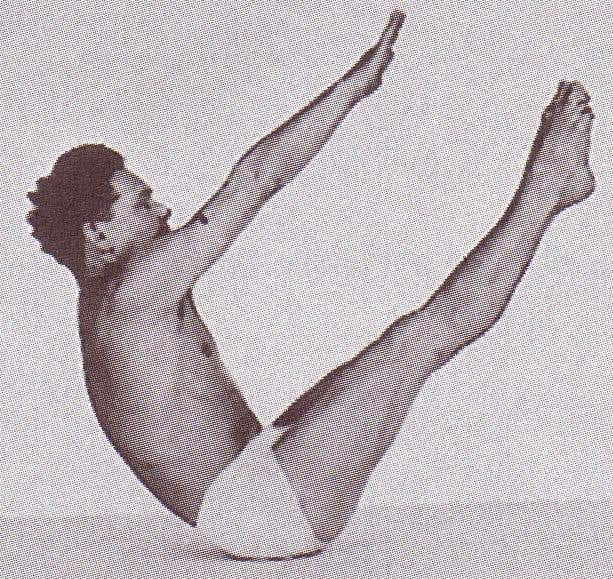
After moving to New York in the 1920s, Joe and his wife Clara opened their first studio, which became popular among dancers and performers. The method evolved to include mat work and equipment-based exercises, laying the foundation for the diverse Pilates practices we know today.
The Fundamentals of Mat Pilates
Mat Pilates is where it all began. Using nothing but your body and a mat, this practice focuses on core strength, flexibility, and precise movements. Think of it as your body weight being the primary source of resistance. During a mat class, you’ll perform exercises like the Hundred, Roll-Ups, and Single-Leg Circles, all while maintaining proper form and breathing techniques.
Mat work is particularly challenging because you’re constantly fighting gravity and supporting your body weight. You’ll need to rely entirely on your core strength and body control without equipment to assist you. This makes mat Pilates an excellent foundation for any fitness routine.
Props in Mat Pilates
While traditional mat work uses just your body weight, modern mat classes often incorporate props to enhance the practice. Common props besides a thick mat include:
- Magic Circle (or Pilates Ring): Adds resistance and helps with body alignment
- Small Exercise Balls: Assists with core engagement and challenges stability
- Resistance Bands: Increases intensity and provides feedback for proper form
- Foam Rollers: Helps with spine articulation and balance work
- Small Hand Weights: Adds upper body challenge to traditional exercises
These props can make exercises more challenging or more accessible, depending on how they’re used, allowing instructors to modify exercises for different fitness levels and goals.

Enter the Reformer
The Reformer might look intimidating at first glance – a bed-like frame with springs, ropes, and pulleys. But don’t let its appearance fool you; this versatile piece of equipment can make exercises more accessible or challenging, depending on how it’s used.
The Reformer’s sliding carriage and adjustable spring resistance create a unique environment where you can work on strength, flexibility, and balance while receiving feedback from the machine. The springs can assist movements, making them more manageable for beginners, or add resistance to challenge even the most seasoned practitioners. The reformer is not to be confused with the Megaformer inspired by Pilates but not considered a Pilates modality.
Reformer Props and Accessories
The Reformer comes with its own set of specialized equipment and attachments:
- Jump Board: Allows for low-impact cardio work
- Box: Used for additional exercises and variations
- Long/Short Box Straps: Enables different pulling exercises
- Foot Bar: Can be adjusted for various exercises and body sizes
- Tower Attachment: Adds versatility with additional spring work options
These accessories expand the range of possible exercises and allow for specialized training focused on specific goals or body areas.

Mat vs Reformer Pilates Key Differences
Accessibility and Learning Curve
Mat Pilates might seem simpler because it requires minimal equipment, but it often demands more body awareness and core strength from the start. While the Reformer is more complex to learn initially, it can make some exercises more approachable because of its supportive structure and spring assistance.
Muscle Engagement
While both methods work your entire body, they do so differently. Mat work emphasizes core stability and control through gravity-based exercises. The Reformer adds resistance and support in various planes of movement, allowing for a more diverse range of exercises and the ability to target specific muscle groups more precisely.
Cost and Convenience
Mat Pilates is more convenient and cost-effective. You only need a mat and space, making it perfect for home practice. In addition, Mat Pilates classes tend to be less expensive than Reformer-based classes. Reformer sessions typically require studio access and instruction, making them more expensive but offering the benefit of personalized attention and equipment-based progression.

Mat vs Reformer Pilates, what is the best choice?
The best choice in the mat vs reformer pilates debate depends on your goals, fitness level, and preferences. Consider starting with mat classes to build a strong foundation in Pilates principles. This will help you develop the core strength and body awareness to serve you well in either practice. Once you’re comfortable with the basics, try a Reformer class to experience a different dimension of Pilates training.
Many people find that combining both methods provides the most comprehensive workout experience. Mat work builds essential strength and control, while Reformer sessions add variety and new challenges to your practice.

The Takeaway
Whether you choose mat, Reformer, or both, remember that consistency is key. Both methods offer tremendous benefits for strength, flexibility, and overall body awareness. The most important factor is finding the practice that you enjoy and will stick with in the long term.
If you’re still unsure between mat vs reformer pilates, many studios offer introductory classes in both methods. Try them both to experience the differences firsthand and discover which resonates more with your body and fitness goals. Remember, there’s no wrong choice – both methods honor Joseph Pilates’ core principles and can help you build a stronger, more flexible, and more balanced body.

Leave a Reply