Every year, an increasing number of people are challenging themselves to give up meat for the entire month of May. This event, known as No Meat May, is not only a great way to explore plant-based eating but also a chance to reflect on the health benefits, environmental impacts, and ethical considerations surrounding meat consumption. If you’re considering participating in No Meat May or just curious about what it entails, this blog post will offer helpful insights and tips for a successful month.
Table of Contents
Why No Meat May?
No Meat May was established with multiple goals in mind:
- Health: Reducing meat intake can decrease the risk of chronic diseases such as heart disease, stroke, and certain cancers.
- Environment: The meat industry is a significant contributor to greenhouse gas emissions, deforestation, and water usage. Less meat means a lighter eco-footprint.
- Animals: This event raises awareness about animal welfare issues in the farming industry.
- Food Security: Plant-based diets use fewer resources and are more sustainable long-term.
To officially participate in No Meat May, you can sign up on their website for free. They offer endless support throughout the month, providing free recipes and meal plans. You can decide to start off small by eliminating certain meats or days of eating meat, go all the way, or something in between. I personally do not eat meat, but I do consume dairy and eggs.
Tips for a Successful No Meat May
Plan Your Meals
Planning is crucial when transitioning to a meat-free diet. Start by researching plant-based recipes and creating a weekly meal plan. This will help you ensure a balanced diet and reduce the likelihood of resorting to meat out of convenience. If you lead a busy lifestyle and don’t see yourself being able to plan your meals all the time, consider meal delivery. Here are some that I personally have used and loved:

Get Familiar with Plant Proteins
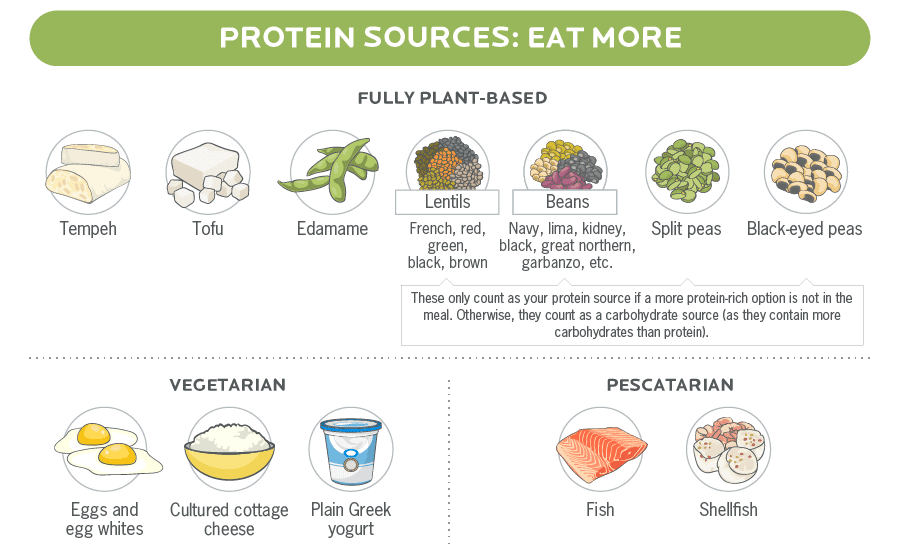
Protein is a major concern in meat-free diets. Familiarize yourself with plant-based protein sources such as lentils, beans, chickpeas, tofu, tempeh, and seitan. Nuts and seeds, along with their butter, are also great protein-rich snacks.
Experiment with New Recipes
No Meat May is a fantastic opportunity to expand your palette. Experiment with different cuisines that are traditionally plant-based, such as Mediterranean, Indian, or Ethiopian. There are thousands of delicious vegetarian and vegan recipes online.
Also, try things you might not have usually tried. It can be fun to make recipes you are used to eating with meat meatless. You may find that you like something new!
Stock Your Pantry
Having a well-stocked pantry makes plant-based cooking easier. Ensure you have plenty of grains, legumes, nuts, seeds, herbs, and spices that are frequently used in plant-based meals. When you have the food quickly available, it will lower the risk of deviating from being meatless.

Find Meat Substitutes
If you’re missing the texture and flavor of meat, explore the variety of meat substitutes available in the store. From veggie burgers to plant-based sausages, these alternatives can make the transition much smoother. Most restaurants offer these alternatives as well, making it easier to eat out without worrying about what food is available.
Join The No Meat May Community
Find a community of people who are also participating in No Meat May. You can either join their Facebook group or find people who are also doing this challenge to lean on. This can provide support, motivation, and a swap of delicious recipes.
Learn to Read Labels
When shopping for ready-made or processed foods, it’s important to read labels carefully. If you are looking to be more strict with no meat may, look out for hidden meat-derived ingredients like gelatin, chicken stock, or fish sauce.
Focus on Whole Foods
While it might be tempting to fill your diet with processed vegetarian foods, try to focus on whole, minimally processed foods. This will help you stay full and ensure you are getting the nutrients you need. Consider sticking to the perimeter of the grocery store, where all the whole foods are located when you are shopping. Vegetables, fruits, whole grains, and legumes should make up the bulk of your diet.

Be Kind to Yourself
If you slip up and eat meat, don’t be too hard on yourself. No Meat May is about making an effort and learning, not about perfection. Each meatless meal is a step in the right direction.
Share Your Journey
Document and share your No Meat May journey. Whether it’s through social media, a blog, or just chatting with friends, talking about your experiences can inspire others to consider their meat consumption.
Final Thoughts
No Meat May is more than just a month-long event; it’s the beginning of what could be a profound change in the way you view food and its impact on your health and the planet. Whether you decide to remain meat-free or simply reduce your meat intake post-May, the lessons you learn will undoubtedly contribute to a healthier lifestyle and a better world.
Embark on your No Meat May journey with an open mind, and remember that every small change contributes to a greater cause. Happy plant-based eating!

Leave a Reply