The heat should not deter you from heading outdoors this summer. However, exercising in the heat puts extra stress on your body, so you must take precautions to avoid heat exhaustion. If you want the best experience outside this summer, here are seven tips for exercising in the heat.
Table of Contents
What is Exercise-Related Heat Exhaustion
Exercising in the heat increases your risk of heat exhaustion. Heat exhaustion occurs when your body cannot cool down fast enough, and your body temperature rises above normal. When the humidity is high, it’s hard for your body to cool down through sweat, so it is essential to pay attention to symptoms before exhaustion escalates to something more serious.
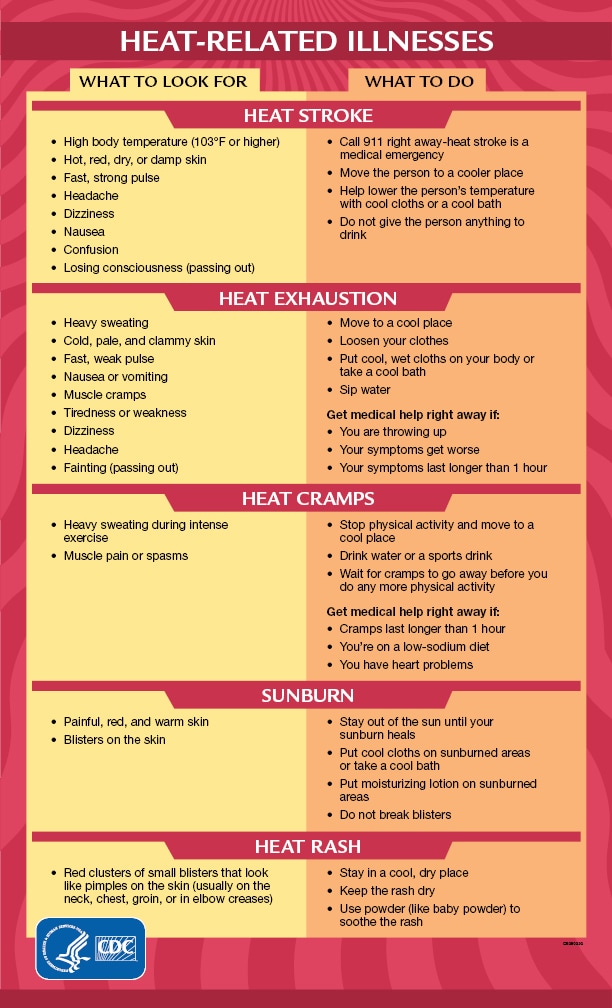
Three groups of people are more likely to suffer from exercise-related heat exhaustion. Women, people with less melanated skin, and those who grew up in a cooler climate are more likely to suffer heat-related illnesses. If you want to avoid the risk, follow these tips for exercising in the heat safely.
Heat Acclimatization
If you don’t already live in an area where you’re used to hot temperatures, it’s recommended to acclimatize to exercising in the heat. It can take 1-2 weeks to adapt to higher temperatures. Here are some suggestions for acclimatization for each session.
- Gradually increase heat exposure.
- Gradually increase your time outside.
- Gradually increase your exercise intensity.

Drink Enough Fluid
Hydration is important for exercise performance in general, but it’s critical when exercising in the heat. Your body sweats to help cool the body during exercise, and in hot temperatures, the amount increases. Good hydration while exercising in the heat is essential. Avoid dehydrating liquids like caffeine or soda, and incorporate a sports drink for long-duration workouts. Finally, the water or sports drink should be chilled but not too cold because it may cause cramps.
According to the NCAA, here is the hydration timing recommended for exercising in the heat.
Before Exercise: 16 hours before one bottle of water, and 8 ounces 15 minutes before
During Exercise: 4 ounces every 15-20 minutes or 2-3 gulps
After Exercise: 16-20 ounces of water for every pound lost during activity
Exercise Timing
If possible, check the heat a day before you exercise. If the humidity is high, avoid exercising outside that day, especially if your body is not acclimatized to the heat. The best time to exercise in the heat is the morning or evening hours when the humidity and temperature are low. Avoid the peak daytime temperatures if possible.
Clothing Choice
Wear lightweight, light-colored clothing while exercising in the heat. Look for clothing made of natural fibers like cotton, silk, or linen, and avoid synthetic clothing. Synthetic clothing poorly absorbs sweat, limiting the body’s ability to breathe. Many companies make warm weather adaptable clothing. Look for features like mesh panels that provide extra ventilation in areas prone to excessive sweating, such as the back and underarms.
Pay attention to clothing fit too. Tight clothing can trap heat and prevent your body from cooling effectively. Opt for loose or semi-fitted clothes that allow for ample air circulation. This will enable your body to breathe and cool down more efficiently.
Don’t forget your feet! Choose lightweight, moisture-wicking socks to keep your feet dry and prevent blisters. Thin, breathable socks made from technical fabrics are available that provide cushioning without adding too much bulk or warmth.

Sun Protection
Sunscreen is a must when exercising in the heat because sunburn limits your body’s ability to stay cool. Regardless of your complexion, everyone needs sunscreen to protect them from harmful rays and rising body temperatures. In addition, UV-blocking sunglasses and hats keep you cool outside. Sun protection can also be where you are choosing to exercise outside. Opt for shaded trails or parks for your workouts. If outdoor conditions are too extreme, consider taking your workout indoors.
Rest More
Because high temperatures put more stress on the body, your response to exercise will be amplified in the heat. If you are out of shape or new to exercise, take more breaks than usual. After your workout, take time to cool down in a shaded area to lessen the effects of exercising in the heat. Drink water or a sports drink, use cool towels on your neck and head, and remove any extra layers of clothing.
Listen to Your Body
Overall, listening to your body while exercising outside in the heat is important. Even the most experienced person can suffer from heat exhaustion. Look out for symptoms like dizziness, nausea, headache, rapid heartbeat, chest pain, fainting, or breathing problems. If you experience any of these symptoms, stop exercising immediately and get to a cooler place.

Regular exercise is part of a healthy lifestyle, even in the summer heat. By taking the appropriate precautions and being mindful of your environment and body, you can safely continue your exercise routine all season long. By properly fueling yourself and taking the necessary precautions, you should prevent heat-related illness while exercising in the heat this summer.

Leave a Reply